Effortless Living: The Role of Home Automation
What if your home didn’t just respond to you – but understood you?
For years, the conversation around home design centred on aesthetics; how a space looked, how it photographed, how it aligned with current trends. But the future of home design is shifting in a far more interesting direction. It’s no longer just about how a home looks – it’s about how it thinks, how it feels, and how it supports the people living within it.
At Studio28, we’re seeing a new kind of brief emerge. Clients still want beautiful homes, but increasingly, they want homes that respond to them – anticipating routines, adapting to lifestyles, and quietly enhancing everyday life.
The Wellness-Led Home
The pandemic fundamentally changed our relationship with our homes. They became our offices, gyms and places of retreat, and that shift has left a lasting mark.
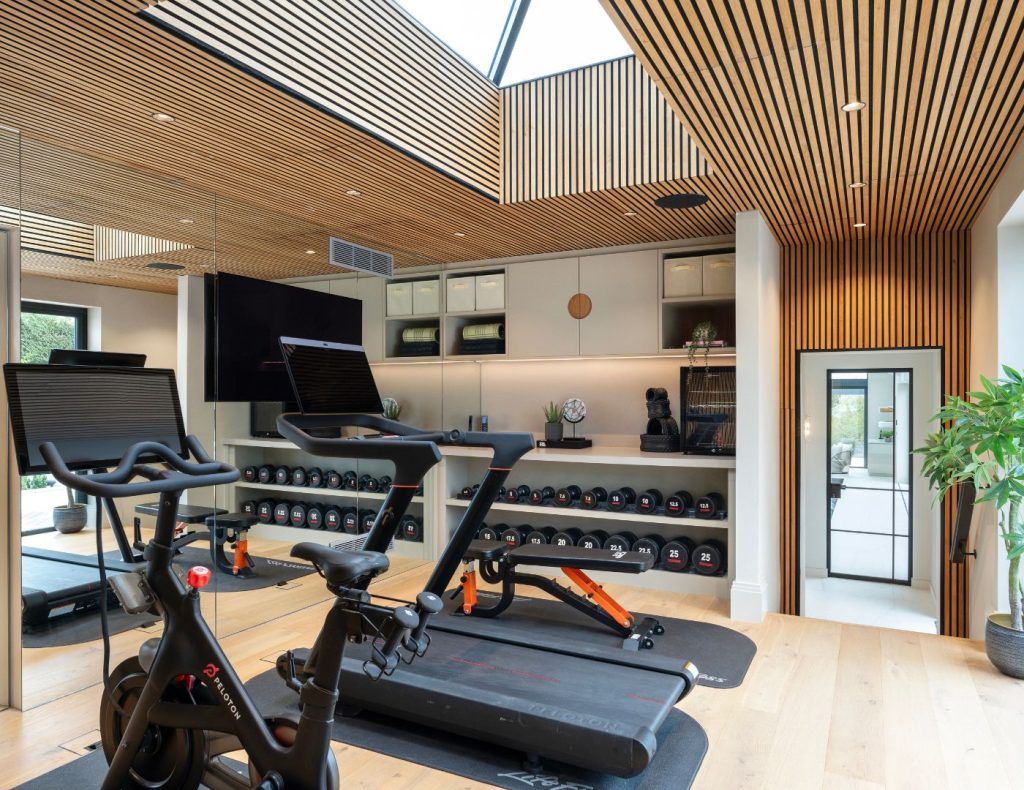
Wellness is no longer a luxury add-on; it’s becoming an essential part of how homes are designed. We are seeing growing demand for dedicated wellness spaces – from fully equipped home gyms to more compact additions such as infrared saunas, steam rooms, or simply a quiet, considered place to pause.
Beyond dedicated rooms, wellbeing is embedded into the wider design; through natural materials, non-toxic products, improved air quality, layered lighting, and a stronger connection to outdoor spaces.
The future home is one that actively supports both physical and mental wellbeing as part of everyday life.
The Human Home
We are designing more spaces that bring people together. Kitchens centred around generous islands, inviting dining areas, and living spaces that encourage conversation.
While technology enhances convenience, it is the human moments within a home that truly matter. The future of home design will balance both – intelligent systems in the background, with spaces that feel warm, tactile and personal at the forefront.
Spaces That Adapt and Evolve
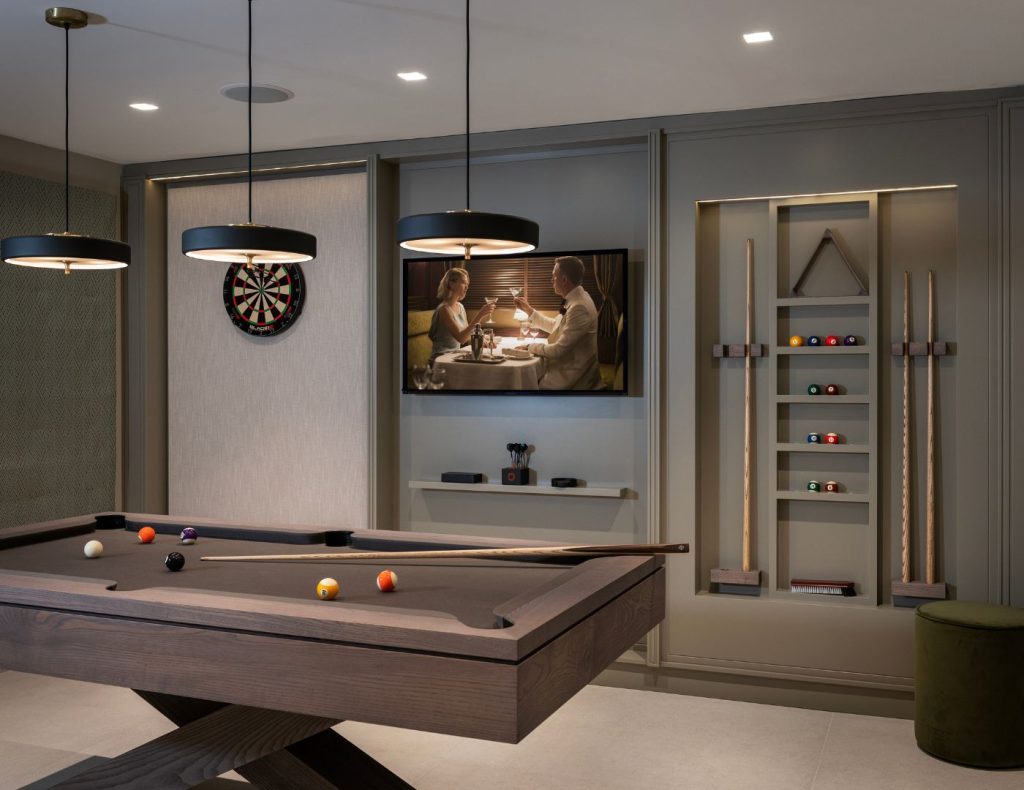
Flexibility is becoming a defining feature of the modern home. Families are no longer designing for a single moment in time, but for how their lives will evolve. Spaces are expected to shift in function; a home office that becomes a guest room, a playroom that transitions into a games rooms, layouts that allow for subtle reconfiguration.
This adaptability is a form of future-proofing. A well-designed home should grow with its occupants, supporting changing needs over time.
A More Considered Future
While technology is shaping the future of home design, there is also a move away from fast, trend-led interiors. Clients are investing in materials with longevity, layouts that stand the test of time, and designs that feel personal rather than performative.
In many ways, the future of home design is a balance of contrasts – advanced yet understated, intelligent yet intuitive. Designed not just to impress, but to support.
Because ultimately, the most successful homes won’t be defined by how advanced they are, but by how effortlessly they allow people to live, connect and feel at ease.
Effortless Living: The Role of Home Automation
As our homes become more considered in how they are designed, technology is evolving alongside them, not as the focal point, but as a quiet enabler of everyday ease. IMP ensures home automation is no longer about complexity or novelty, but about simplicity and intuition. Lighting that shifts with the rhythm of the day, heating that responds to how a space is used, and systems that can be managed seamlessly all contribute to a home that feels easier to live in.
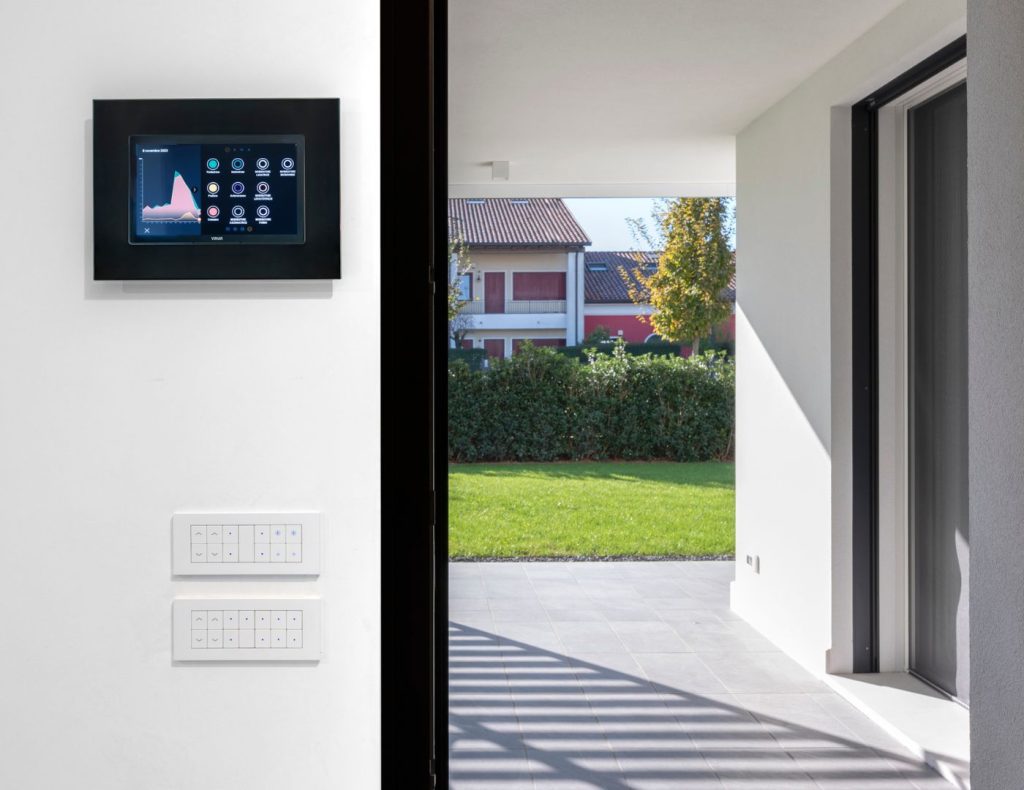
At the heart of this evolution is a move towards fully integrated systems, where multiple elements of the home work together rather than in isolation. Solutions like Vimar’s By-me platform are designed around this idea, creating homes that feel intuitive, responsive and entirely user-friendly. With a simple touch, environments can be adjusted to suit different moments, from calm, ambient evenings to brighter, more energised settings. It’s about creating an atmosphere that adapts to you, rather than the other way around.
Beyond comfort, these systems also bring a deeper level of reassurance and efficiency. From monitoring energy use to enhancing security and allowing remote access, they offer a sense of control that fits naturally into modern life. Whether at home or away, there is a growing expectation that spaces should respond, protect and adapt with minimal effort.
The most effective technology, however, remains the least intrusive. Integrated platforms such as Vimar View App bring everything together into one intuitive interface; allowing lighting, climate, security and automation to be managed effortlessly, without disrupting the overall design of the home.
The future of our homes is being shaped by thoughtful innovation and with IMP working alongside leading manufacturers like Vimar, it’s becoming something more people can experience in everyday life.