Why Nature, Creativity and Play Still Matters
As technology continues to shape the way we live, work and communicate, it’s easy to forget the quieter, simpler elements that help us feel grounded. Screens are everywhere, in our pockets, our homes, our schools and while technology brings opportunity, convenience and connection, it also asks something of us in return. Attention, time and presence.
For children growing up in this digital-first world, the balance has never been more important. Outdoor play, creativity and unstructured time aren’t nostalgic ideas from the past, they are essential building blocks for wellbeing, resilience and social development.
Time spent outside encourages children to move their bodies, use their imagination and engage with the world around them. Whether it’s climbing, building, exploring or simply observing, nature offers an open-ended playground where there is no right or wrong way to play. This freedom nurtures creativity, problem-solving and confidence, while also supporting mental health by reducing stress and encouraging calm.
Just as importantly, outdoor play builds social skills. Away from screens and structured activities, children learn how to negotiate, collaborate, communicate and adapt, skills that are harder to develop when interaction is mediated through technology. These shared, real-world experiences create a sense of belonging and connection that no app can replicate.
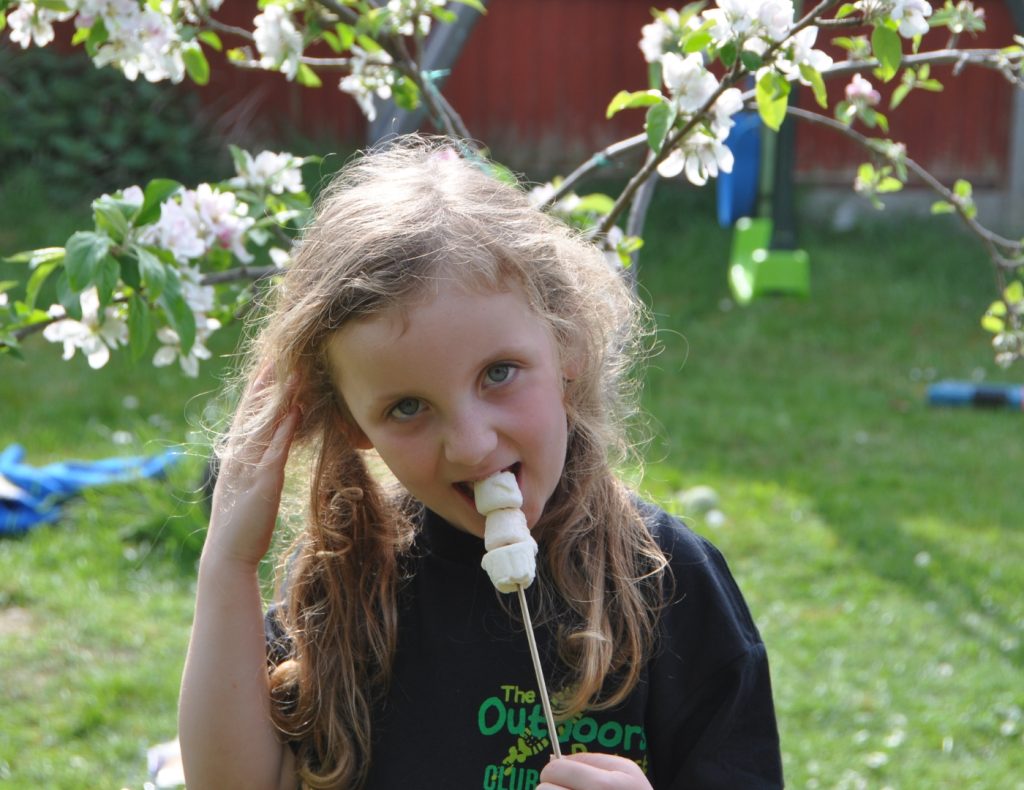
Local initiatives play a vital role in keeping this balance alive. In the Royston and Cambridge area, The Outdoors Project is helping children reconnect with nature through hands-on, creative outdoor sessions designed to spark curiosity and independence. Rather than directing play, the project creates space for children to explore at their own pace, building dens, making fires, creating art from natural materials, and learning through experience.
Jonny Maddeningly, Head of The Outdoors Project, explains why this approach matters now more than ever:
“Children don’t need constant instruction or stimulation, they need space. When they’re outdoors, away from screens, they start to create, imagine and problem-solve naturally. We see confidence grow, friendships deepen and a real sense of pride in what they discover for themselves.”
The impact extends beyond the children themselves. Families report calmer behaviour, improved focus and a renewed enthusiasm for the outdoors. Communities benefit too, as shared green spaces become places of connection, learning and collective care.
As we move further into a tech-driven future, the answer isn’t rejection, it’s balance. Encouraging outdoor play, creativity and time in nature helps ensure we don’t lose the human skills that matter most: empathy, communication, resilience and curiosity.
Sometimes, stepping forward means stepping outside. And in doing so, we give the next generation the chance to grow, not just digitally capable, but emotionally confident, socially connected and deeply grounded in the world around them.